
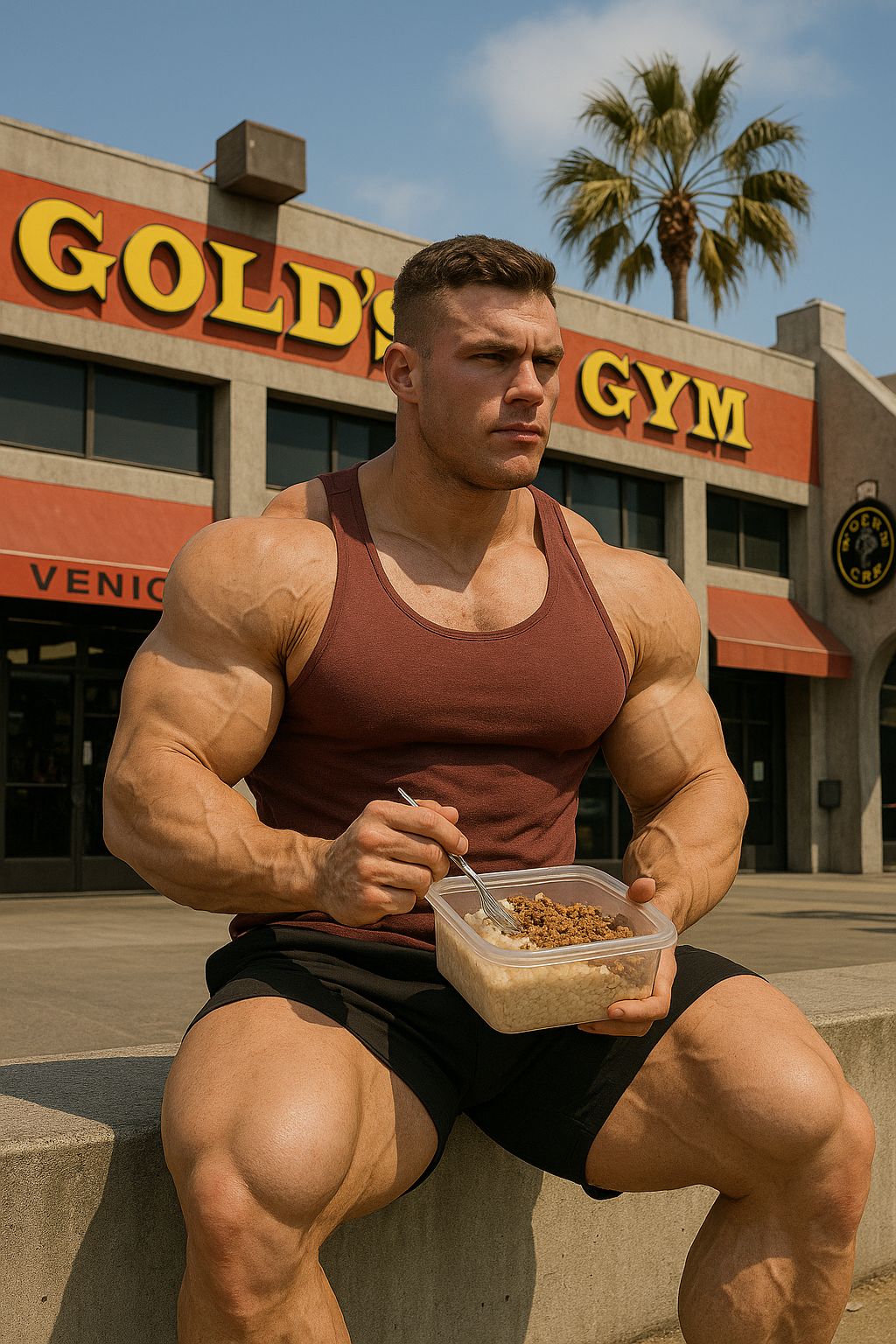

Bulking season is here, and for bodybuilders, this time of year is all about building dense, lean muscle mass. But there’s more to bulking than just eating more and lifting heavy—true success comes from combining nutrition, recovery, and training strategies into a well-rounded plan.
In this post, we’ll cover how to bulk smartly, optimize your diet, and provide you with a free chest workout you can use to kick-start growth this season.
Why Bulking Is Essential
Bulking isn’t just about aesthetics—it’s about setting a foundation of muscle that you can later refine during cutting phases. Done correctly, bulking can:
- Increase overall muscle size and strength
- Improve metabolism and hormonal balance
- Prepare your body for progressive overload in future cycles
However, sloppy bulking (aka “dirty bulking”) can lead to excessive fat gain, sluggishness, and stalled progress. The key is striking the balance between enough calories for growth and nutrient-dense foods that fuel performance.
Nutrition: Eat Big, But Eat Smart
Your diet is your most powerful tool during a bulk. Here’s the breakdown:
1. Set Your Calories Right
- Calculate your TDEE (Total Daily Energy Expenditure) and add a surplus of 250–500 calories.
- Aim for lean bulking, which minimizes fat gain while maximizing muscle.
2. Macronutrient Targets
- Protein: 1–1.2g per pound of body weight (to maximize muscle protein synthesis)
- Carbs: 2–3g per pound (fuel for intense training and recovery)
- Fats: 0.3–0.4g per pound (supports hormones and joint health)
3. Food Sources That Work
- Proteins: chicken breast, turkey, eggs, Greek yogurt, salmon, lean beef
- Carbs: oats, brown rice, sweet potatoes, whole-grain bread, quinoa
- Fats: avocados, olive oil, almonds, peanut butter, whole eggs
💡 Pro Tip: Space protein across 4–6 meals to keep muscle protein synthesis elevated throughout the day.
Training: Lift Heavy, Recover Hard
During a bulk, progressive overload is non-negotiable. You’ll want to:
- Stick with compound lifts (bench press, squats, deadlifts, rows)
- Gradually increase weight or reps weekly
- Keep sessions between 60–90 minutes to optimize testosterone and cortisol balance
Rest and recovery are just as important—muscle growth happens when you sleep, not when you train. Aim for 7–9 hours per night.
Mindset & Men’s Health
Bulking isn’t just physical—it’s mental. Keep these health priorities in mind:
- Heart health: Monitor blood pressure and cholesterol as calorie intake rises
- Digestive health: Add fiber and water to offset the high-calorie diet
- Mental health: Remember bulking means weight gain—focus on strength and performance, not just the scale
Resources for Further Reading
- National Strength and Conditioning Association (NSCA) – Research-backed training and nutrition resources
- Examine.com – Evidence-based supplement and nutrition science
- Men’s Health Nutrition Hub – Practical tips for everyday athletes
Free Chest Workout: Bulk Up Your Upper Body
Here’s a simple yet powerful chest workout you can add to your weekly program:
Warm-Up (5 min)
- Dynamic stretches + push-ups (2×15)
Workout
- Flat Barbell Bench Press – 4 sets x 6–8 reps
- Incline Dumbbell Press – 3 sets x 8–10 reps
- Weighted Dips – 3 sets x 8–12 reps
- Chest Fly (Cable or Dumbbell) – 3 sets x 10–12 reps
- Push-Ups (Burnout Set) – 2 sets to failure
Cool Down: Chest/shoulder stretches, foam rolling
🔥 Whether you’re stepping on stage or just trying to fill out your shirt sleeves, this season is your time to grow. Eat smart, train hard, and bulk responsibly.
As always, thank for reading!
-Jeff
